Crosquiel Cloud Accounting for Business
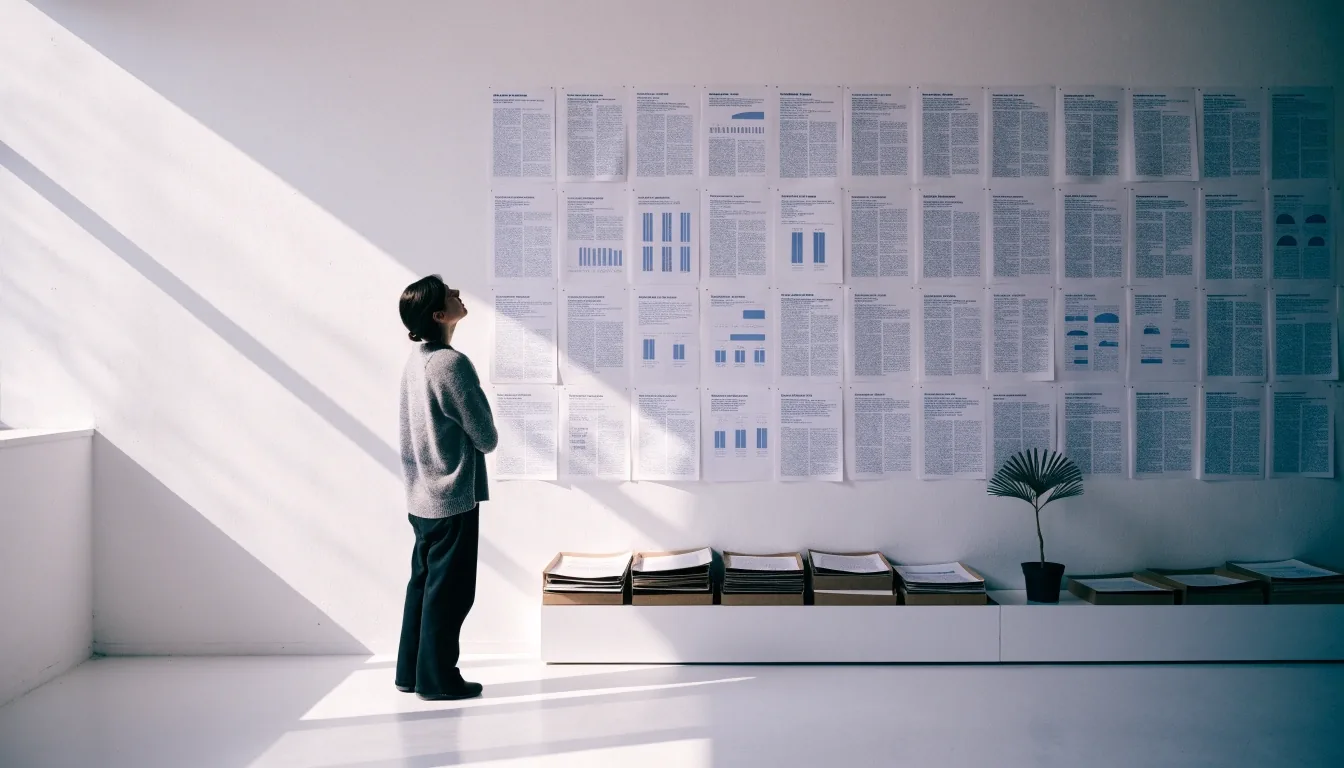
A person studies a wall of pinned Crosquiel article layouts arranged in columns, tagged by category.

Crosquiel archive

Browse every Crosquiel article in one place

This archive lists all Crosquiel articles and guides on cloud accounting for businesses in South Korea. Use it to move from basics to comparison without searching the whole site. New readers can start with ledger and close topics, then move to Korea fit and platform notes.

Reading path — act one

Start with the foundations

Foundational pieces explain the general ledger, accounts payable, accounts receivable, and bank feed reconciliation. They suit owners and office managers who inherited messy books. Each piece uses short examples from SME routines. Read one, apply it, then return for the next.

Ledger and bank feed basics

An entry is not just a row — it is a decision about what the business owns and owes. These pieces walk through the general ledger, accounts payable, accounts receivable, and bank feed reconciliation from the point of view of a five-person office that inherited a year of unclear books.

The examples stay small on purpose: a supplier bill, a client deposit, one bank line missing its match. Read one, apply it this week, then return for the next.
Follow payables from bill to payment

Payables articles follow a bill from arrival to approval to payment to ledger posting. We show where roles and limits help, especially for teams of five to fifty people. You will see how to keep supplier records clean. Good payables work shortens the close.

The recurring theme is not speed but order: who approves, who pays, who posts, and what evidence stays behind when the year is audited.

Follow receivables from quote to cash

Receivables articles follow work from quote to invoice to receipt to reconciliation. They cover the billing-first workflows that platforms such as FreshBooks are known for, including time tracking and client billing. Service firms will find the follow-up cadence useful. The goal is steady cash flow with fewer disputes.

Expect notes on how an aging view reads after three weeks, and what an honest reminder sounds like before an invoice turns uncomfortable.

Close the month with less stress

Close articles provide checklists for review, adjustments, and sign-off. They explain who reviews what and which reports to keep. Multi-user review matters here, a point often raised around Xero and accountant collaboration. Keep the same sequence each month.

Close checklist — a short excerpt

  1. Reconcile bank and card feeds; clear the unmatched lines first.
  2. Review payables for bills missing an approval or a supplier record.
  3. Check receivables aging; flag anything past the agreed terms.
  4. Post the month's adjustments and file the export your accountant asked for.
  5. Sign off, and note what you would change before next month.

Check Korea fit before you commit

Korea-focused pieces cover electronic tax invoices, VAT reporting inputs, bank review habits, and collaboration with local accountants. They explain why domestic systems such as Douzone WEHAGO are often referenced for compliance-heavy use. They also note how Naver Works shapes document flow around accounting. Use these before signing a contract.

Read these together with the platform comparison, because a tool's fit in Korea rarely matches its fit in a general overview.

Receivables in practice

What a receipt row looks like the day it arrives

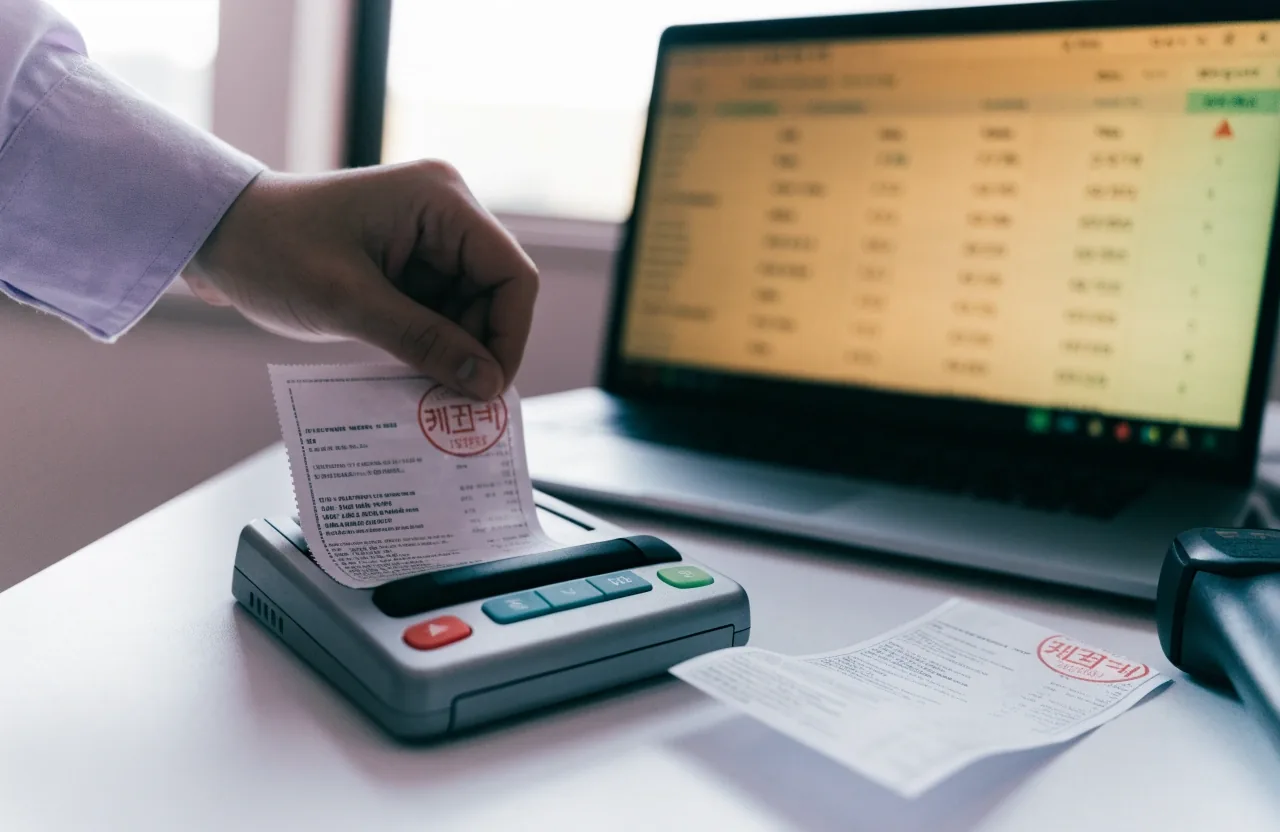
A receipt enters the books twice: once as the vendor's payment and once as your matching expense. When the two halves are not reconciled on the same day, the aging report lies and the close gets longer. The receivables articles take one Korean shop receipt and follow it through scanning, aging columns, and posting, so the paper end of the loop is never a guess.

Series: what to capture at the desk, how to keep the vendor list clean, and the cadence that keeps follow-ups steady instead of awkward.

A hand feeds a Korean receipt into a scanner beside a laptop showing an aging receivables list.
Receipts photographed on the morning they arrive, matched to their expense line before the week closes.

How to use the archive well

One problem, two articles, one set of notes

Pick one problem, such as late supplier payments or unclear VAT inputs. Open two articles on that problem, not ten on everything. Take notes on roles, invoice formats, and bank review steps. Bring those notes to your accountant. That loop turns reading into cleaner books.

If you are standing between platforms, read the platform comparison next, and keep the Korea fit guide open beside it. A vendor is not a decision until the two agree.

Filed and closed — Crosquiel cloud accounting, Seoul

Reading that leads to cleaner books, one problem at a time.

Crosquiel keeps this archive open for any business in South Korea that needs to understand its own cloud accounting before committing to a platform. Nothing here replaces your accountant; everything here should make the next conversation with them shorter.

Crosquiel Cloud Accounting

26 Teheran-ro, Gangnam-gu
Seoul 06236, South Korea

+82 2-706-5647

[email protected]

Monday to Friday, 9:00 AM – 6:00 PM

Ledger note

We keep a few cookies to see which pages help and to remember your settings. What we store